Teardrop Peperomia: A Beautiful Addition to Your Indoor Garden
If you're looking for a plant that's easy to care for and adds a touch of elegance to your indoor garden, look no further than the Teardrop Peperomia. This beautiful plant is known for its distinctive teardrop-shaped leaves and vibrant green coloration. In this blog post, we'll explore everything you need to know about the Teardrop Peperomia – from its origins and unique characteristics to tips for care and propagation.
The Teardrop Peperomia is a member of the Peperomia family, which is native to Central and South America. It gets its name from the shape of its leaves, which are elongated and taper to a point at the end, resembling a teardrop. The leaves are typically bright green in color and have a glossy appearance, making them an attractive addition to any room. What makes the Teardrop Peperomia so special is its hardiness – it can thrive in a variety of conditions, making it an ideal choice for beginners or those who don't have a lot of time to dedicate to plant care.
Characteristics of Teardrop Peperomia
Here are some of the unique characteristics of the Teardrop Peperomia:
- The Teardrop Peperomia is a small plant that typically grows up to 6 inches tall.
- Its leaves are fleshy and succulent, which helps it retain moisture in dry conditions.
- The Teardrop Peperomia is a low-maintenance plant that can tolerate a range of light conditions, from bright light to partial shade.
- It prefers well-draining soil and should be watered sparingly, allowing the soil to dry out partially between waterings.
Teardrop Peperomia Care
Now that you know a little more about the Teardrop Peperomia, let's dive into some tips for care and maintenance:
Light
The Teardrop Peperomia can tolerate a range of light conditions, from bright light to partial shade. However, it does best in bright, indirect light. If your plant is getting too much direct sunlight, its leaves may to yellow or brown.
Watering
The Teardrop Peperomia prefers well-draining soil and should be watered sparingly. It's important not to overwater this plant, as it can lead to root rot. Water only when the top inch of soil feels dry to the touch, and be sure to allow the soil to dry out partially between waterings.
Soil
The Teardrop Peperomia prefers well-draining soil that is rich in organic matter. You can use a commercial potting mix or make your own by combining equal parts peat moss, perlite, and vermiculite.
Humidity
The Teardrop Peperomia prefers moderate to high humidity, but can tolerate lower levels as well. To increase humidity around your plant, you can mist it with water or place a tray of water nearby.
Temperature
The Teardrop Peperomia prefers temperatures between 60 and 80 degrees Fahrenheit. It can tolerate slightly cooler temperatures, but should be protected from drafts and extreme temperature fluctuations.
Fertilizer
The Teardrop Peperomia doesn't require a lot of fertilizer, but can benefit from occasional feedings during the growing season. Use a balanced, water-soluble fertilizer once a month, following the manufacturer's instructions.
Propagation
The Teardrop Peperomia can be propagated using stem cuttings. Simply take a cutting from the parent plant, making sure it has at least one leaf node. Place the cutting in a jar of water or in moist soil, and keep it in a warm, bright location. After a few weeks, roots should to form, and you can transplant the new plant into its own container.
Pests and Diseases
The Teardrop Peperomia is generally resistant to pests and diseases, but can be susceptible to mealybugs and spider mites. If you notice any signs of infestation, treat your plant with an insecticidal soap or neem oil.
In conclusion, the Teardrop Peperomia is a beautiful and low-maintenance plant that's perfect for indoor gardens. With its distinctive teardrop-shaped leaves and vibrant green coloration, it's sure to add a touch of elegance to any room. By following these tips for care and maintenance, you can ensure that your Teardrop Peperomia thrives and stays healthy for years to come.
Frequently Asked Questions
Here are some frequently asked questions about Teardrop Peperomia:
Q1. How often should I water my Teardrop Peperomia?
A: Water your Teardrop Peperomia sparingly, only when the top inch of soil feels dry to the touch. Be sure to allow the soil to dry out partially between waterings.
Q2. Can I propagate my Teardrop Peperomia from leaf cuttings?
A: No, the Teardrop Peperomia cannot be propagated from leaf cuttings. Instead, use stem cuttings with at least one leaf node.
Q3. What kind of soil does my Teardrop Peperomia prefer?
A: The Teardrop Peperomia prefers well-draining soil that is rich in organic matter. You can use a commercial potting mix or make your own by combining equal parts peat moss, perlite, and vermiculite.
Q4. How much light does my Teardrop Peperomia need?
A: The Teardrop Peperomia can tolerate a range of light conditions, from bright light to partial shade. However, it does best in bright, indirect light.
Q5. Does my Teardrop Peperomia require a lot of fertilizer?
A: No, the Teardrop Peperomia doesn't require a lot of fertilizer. Use a balanced, water-soluble fertilizer once a month during the growing season.
Q6. Can my Teardrop Peperomia tolerate low humidity?
A: Yes, the Teardrop Peperomia can tolerate lower levels of humidity. To increase humidity around your plant, you can mist it with water or place a tray of water nearby.
Q7. What temperature range does my Teardrop Peperomia prefer?
A: The Teardrop Peperomia prefers temperatures between 60 and 80 degrees Fahrenheit. It can tolerate slightly cooler temperatures, but should be protected from drafts and extreme temperature fluctuations.
Q8. How do I prevent pests and diseases on my Teardrop Peperomia?
A: The Teardrop Peperomia is generally resistant to pests and diseases, but can be susceptible to mealybugs and spider mites. If you notice any signs of infestation, treat your plant with an insecticidal soap or neem oil.
Q9. Can I grow my Teardrop Peperomia outdoors?
A: The Teardrop Peperomia is best grown indoors, as it prefers moderate to high humidity levels and doesn't tolerate extreme temperature fluctuations.
Q10. How often should I fertilize my Teardrop Peperomia?
A: Use a balanced, water-soluble fertilizer once a month during the growing season, following the manufacturer's instructions.
11 Teardrop peperomia Images

Pin On Houseplants

Peperomia Red Stem Heart Shaped Leaves Buy Flowers Online Peperomia

Pin On House Plants

Peperomia Are Slow Growing Tropical Annuals And Perennials That Are

Peperomia Graveolens Ruby Glow Peperomia 2 Pot Little Prince To

Peperomia Raindrop Peperomia Plants Plant Decor

Peperomia Graveolens Ruby Glow Radiator Plant Plants Peperomia

Pin On Personal Houseplant Inventory

Hanging Peperomia Plant Peperomia Plant Plants Peperomia
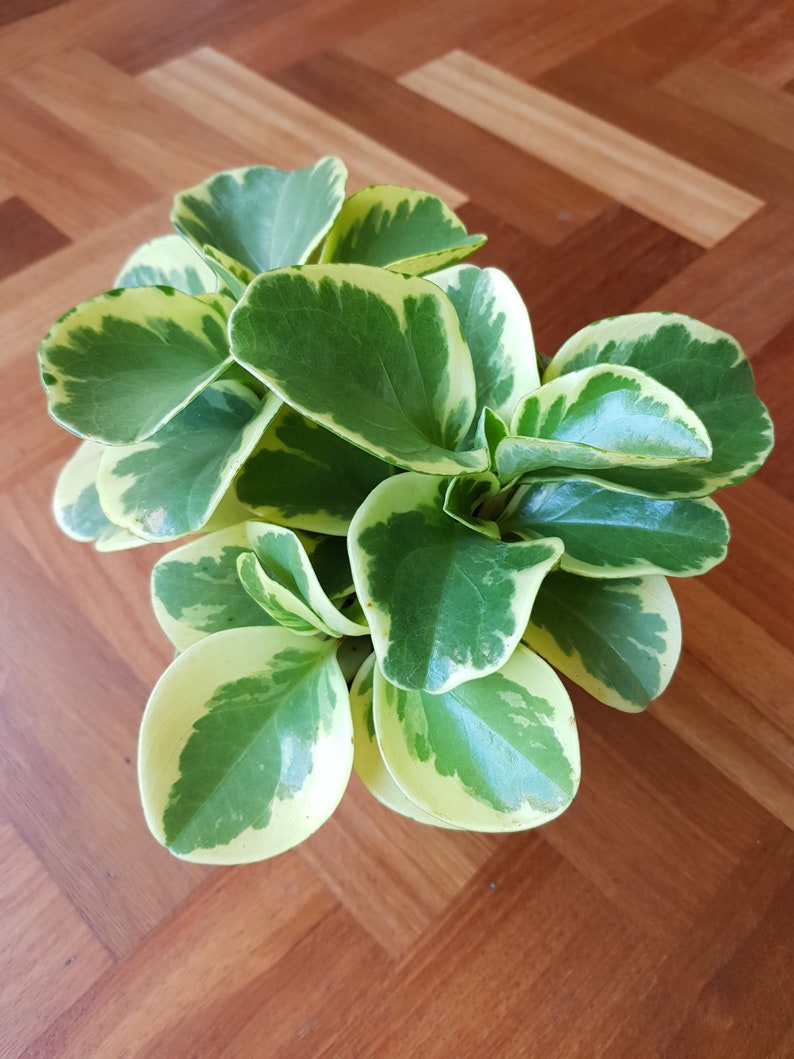
Peperomia Obtusifolia Variegata Crocodile Tears Live Plant

Peperomia Orba Variegata Peperomia Plants Houseplants
Posting Komentar untuk "Teardrop Peperomia: A Beautiful Addition to Your Indoor Garden"